Retro Mushroom Goblincore Fungi Design: A Modern Creative Asset
Imagine a design that feels both nostalgic and refreshingly contemporary, blending earthy motifs with a playful, retro aesthetic. The Retro Mushroom Goblincore Fungi Design captures this unique visual language, offering a versatile resource for graphic designers, creators, and entrepreneurs. This style taps into current design trends that celebrate nature, whimsy, and a touch of vintage charm, making it a powerful tool for visual communication and brand storytelling.
Understanding the Aesthetic and Its Design Value
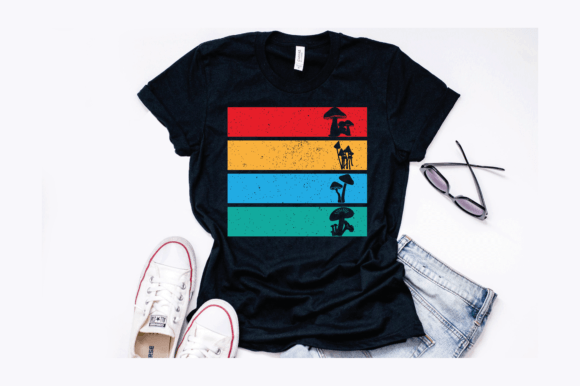
At its core, this design theme merges two popular visual currents: the detailed, often fantastical imagery of mushrooms and fungi with a retro color palette and typography. This combination creates immediate visual interest and emotional resonance. For designers, it's more than just a pretty illustration; it's a cohesive style system that can inform an entire brand identity or creative project.
In modern graphic design, such thematic assets are invaluable. They provide a ready-made visual hierarchy and mood, streamlining the design workflow. When applied thoughtfully, a Retro Mushroom Goblincore Fungi Design can evoke feelings of nostalgia, curiosity, and connection to nature, which are powerful drivers in audience engagement.
Practical Applications Across Creative Projects
The true strength of this design lies in its adaptability. It's not confined to a single medium, making it a smart investment for a variety of creative and commercial needs.
- Branding and Logo Design: This aesthetic can form the foundation of a unique brand identity for businesses in eco-friendly products, artisanal goods, wellness, or creative services. It helps create a memorable logo and consistent brand assets.
- Marketing and Social Media Content: The eye-catching nature of the design makes it perfect for social media graphics, email headers, and digital ads. It stops the scroll and communicates a distinct brand personality instantly.
- Packaging and Merchandise: From product labels to shopping bags, this design enhances unboxing experiences. It's equally effective for merchandise like apparel, mugs, and posters, turning everyday items into statement pieces.
- Editorial and Web Design: Use it for magazine layouts, blog graphics, or website hero images to add depth and character. In UI design, themed icons or illustrations can improve user experience and delight.
Integrating the Design into Your Workflow
To maximize the impact of any creative asset, consider these practical tips:
- Evaluate for Consistency: Ensure the design's style, color palette, and mood align with your project's overall goals and audience expectations. A cohesive visual language builds trust and recognition.
- Consider Scalability and Format: High-quality files in multiple formats (like AI, EPS, SVG, and high-resolution PNG) are essential. This ensures crisp results whether you're scaling for a small icon or a large banner.
- Maintain Visual Hierarchy: Use the design elements to guide the viewer's eye. Pair detailed illustrations with clean, readable typography to balance visual interest with clarity.
- Test for Readability: Always check that text overlaid on the design remains legible. Adjust contrast or add subtle backgrounds as needed to maintain professional presentation.
Enhancing Communication with Thoughtful Design
Typography and color are critical partners to any illustrative style. A retro design often pairs well with serif or script fonts that complement its vintage feel, while a goblincore palette might feature rich earth tones, mossy greens, and warm, muted accents. Together, these elements create a complete visual narrative that communicates more effectively than words alone.
Choosing a well-executed, thematic design asset like this one is an investment in quality communication. It demonstrates attention to detail and a commitment to a polished aesthetic, which reflects directly on a brand's professionalism. In a crowded digital landscape, such distinctive visual choices help projects stand out, foster emotional connections, and ultimately achieve their communication goals more effectively.